


About
Welcome to our gathering dedicated to exploring the present and future of families and communities. In commemoration of the 30th anniversary of the International Year of the Family, the conference brings together distinguished experts, policymakers, and thought leaders to engage in insightful discussions, roundtable sessions, and exhibitions. Together, we will delve into family-friendly policies, discuss best practices, and develop strategic partnerships to create a lasting impact on family well-being and societal development. Join us to help shape a future where every family thrives.
Ended…

Meet Our Speakers
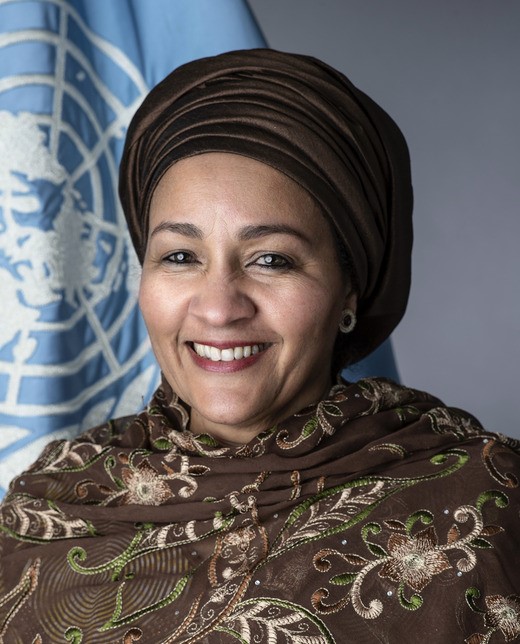
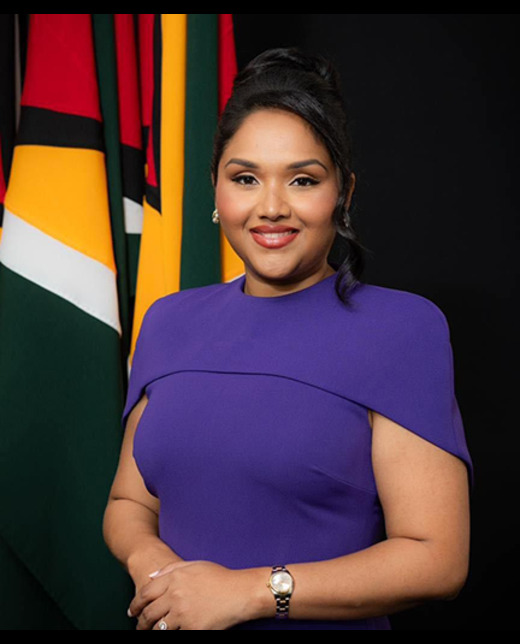
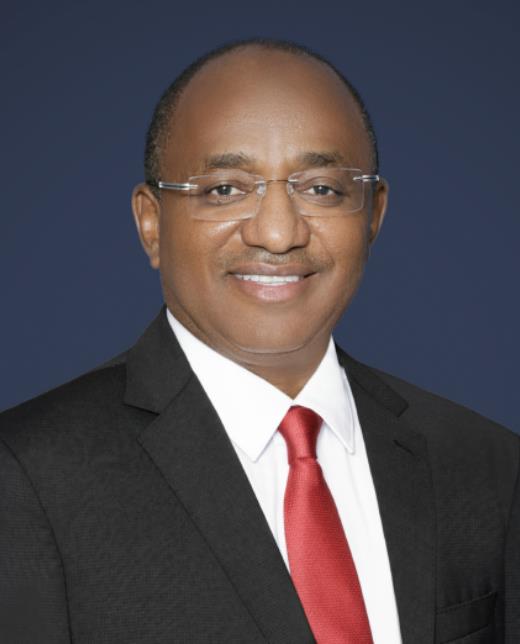
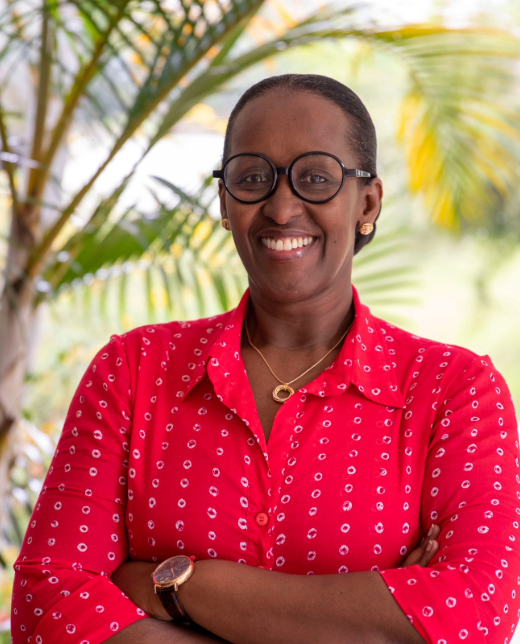
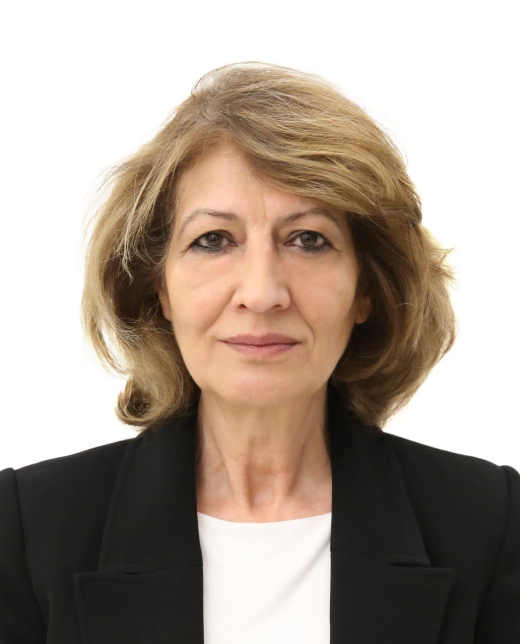
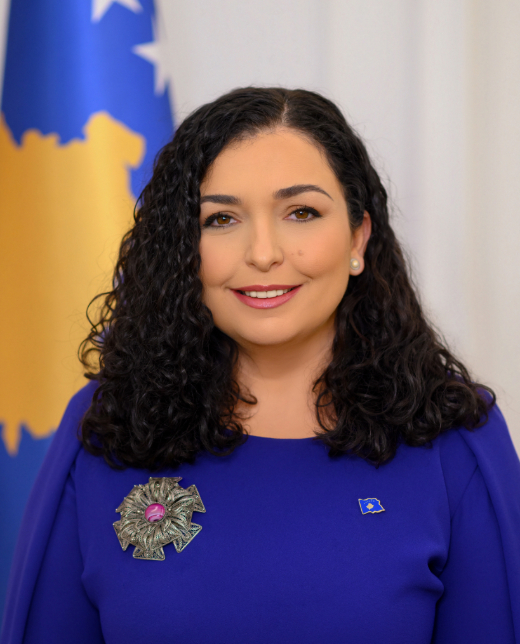
We are excited to introduce the exceptional lineup of thought leaders, innovators, and experts who will be sharing their insights at the 30th Anniversary of the International Year of the Family Conference. Our speakers represent diverse fields and perspectives, and are at the forefront of addressing the key challenges and opportunities facing families in today’s rapidly changing world. Join us in learning from these distinguished professionals as they explore the critical issues shaping the future of families.
Megatrends
Technological Change
Advancements in technology have profoundly impacted our lives – in our educational systems, workplaces, and in the entertainment industry. While these developments offer significant benefits, they also bring challenges, particularly concerning family dynamics. The inequality in accessing technology and, conversely, digital addiction both highlight the importance of balancing technological growth with its effects on family life. By exploring policies and regulations around digital use, we examine how to ensure technology enhances rather than disrupts family cohesion.
Demographic Change
Population decline is reshaping both the global landscape and the family. It influences economic stability and social structures, driven by declining fertility rates and shifting migration patterns. While some areas experience population decline, others see growth, which can strain resources or create new opportunities. Addressing these changes requires policies that support family caregiving, fertility responsiveness, and social inclusion, ensuring that demographic shifts lead to sustainable and equitable outcomes for societies worldwide.


Migration and Urbanization
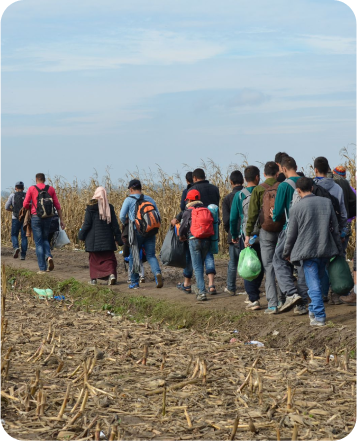
Wars, conflicts, and natural catastrophes affect families and communities as they force people to migrate. Immigrants grapple with adjusting to new cultural contexts, while receiving countries face challenges in integrating newcomers and addressing their needs – creating complex identity issues for both. The design and planning of family-friendly cities play a crucial role in mitigating these challenges by fostering inclusive environments that support family well-being. Urban planning that prioritizes family needs can enhance integration, promote social cohesion, and improve the quality of life for all residents.
Climate Change
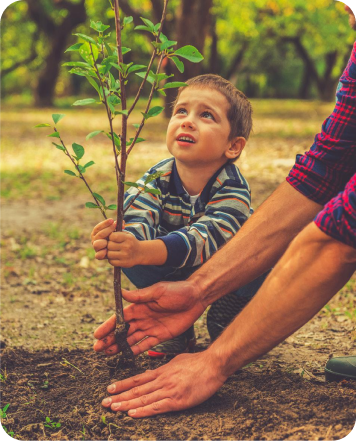
The increasing threat of climate change manifesting in extreme weather events and environmental shifts, confronts families with challenges such as displacement, health risks, food security and water scarcity as well as the financial burden of adapting to changing conditions. In response, family dynamics are evolving as families come together to address these issues, and many are engaging in family farming and climate activism to advocate for sustainable practices and policies. This collective effort within families and communities is crucial in driving environmental change and fostering resilience, highlighting the significant role that family-centered approaches can play in combating climate change and supporting affected communities.
Agenda
30 October 2024
Registration-Pre-opening
8:00am-9:00am
Opening Ceremony
9:00am-10:30am
H.E. Ms. Amina J. | H.E. Dr. Vjosa Osmani | H.E. Dr. Hussein Mwinyi | Dr. Deisi Noeli Weber Kusztra | Prof. Jennifer Lansford
Opening Segment
9:00am-9:30am
Opening Panel: Why Family Policy Matters
9:30am-10:15am
This session sets the stage for the conference by highlighting four key megatrends impacting families. It emphasizes the critical role of family policies, from a global perspective, and its impact on the megatrends. Discussing overall development, showcasing achievements from the past decade and charting a roadmap for the next ten years.
- Examining the impact of the four megatrends on families.
- Benchmarking global best practices in family policy design and implementation.
- Emphasizing the “Familialism” notion and family-rights approach.
- Highlighting UN and civil society advocacy work for family wellbeing.
Shattered Lives: Impact of War and Conflict on Families
10:45am-11:45am
Ambassador Maged Abdelaziz | H.E. Sheikha Hanouf Abdulrahman Al-Thani | Prof. Saliha Okur Gümrükçüoğlu | Dr. Nour Naim
The panel will address the impact of war and conflicts on families, focusing on necessary policies and laws to protect them, facilitate family reunification, and explore the intersection of demographics with migration issues.
- Policies and laws needed to protect families
- Family reunification laws and regulations
- Overlap between demographics and migration topics
Work – Family Reimagined
10:45am-11:45am
Dr. Maimoonah Khalil Al Khalil | Elder Adilson de Paula Parrella | Dr. Konjit Hailu | Dr. Khadijeh Barzegar | Dr. Raymond Mutura | John Wilmoth
The panel will examine evolving family structures, including the influence of culture and gender roles on family values. It will also address work-family balance, including the rise of digital nomads, and highlight innovative parental leave policies.
- Family structure and values
o Gender roles within a family: the understanding of fatherhood, motherhood, masculinity and manhood
- Work-family balance
- Nuclear Family (father, mother and children) and Extended Family (father, mother, children, grandparents, uncles, aunts, cousins)
A conversation with Saroo Brierley on “Family Cohesion and Relationships”
11:45am- 12:15pm
Saroo Brierley | Homara Choudhary
Workshop on “The ABC of Marital Relations”
11:30am-12:00pm
Dr. Humoud Al Qashan
Talk by Dr. Hanan Al-Qattan “The Importance of being a Role Model to Children”
12pm-12:30 pm
Dr. Hanan Al-Qattan
How Family Values Shape Relationships
11:45am-12:05pm
Dr. Aisha Al Mannai
Men’s Role in Families
1:15pm-1:35pm
Sheikh Ahmed Al Dosari
Workshop on “The Impact of Emotional Support for Children on their Self Confidence”
1:00pm-1:30pm
Dr. Khalid Jamal Al
A conversation with Stephen Shaw “Fertility Decline Worldwide”
1:15pm–1:35pm
Stephen Shaw | Aisha Al Sultan
Youth Debate and Poll on Demographic Changes and Decisions
1:35pm– 2:00pm
The Fertility Crisis and Its Global Impact
2:00pm-2:45pm
H.E. Mariam bint Ali bin | Prof. Ki-Soo Eun | Árpád József Mészáros JD | Dr. Ayman Shabana | Dr. Ann Skinner
The panel will explore the domestic and global impacts of population decline and an aging society, addressing both economic and social challenges. It will also discuss necessary policies to boost fertility, such as workplace incentives that support family growth, and the political aspects of population dynamics
- Population decline and its impact.
- Ageing society and the economic and social implications of an ageing society. E.g. economic pressure on health care systems.
- Policies needed to encourage fertility increase and choices.
Zukunft Pflegebauernhon “A New Family-Friendly Oasis for Elderly People with Special Care Needs”
2:00pm-2:20pm
Guido Pusch
Saving the Earth, Securing the Family – In partnership with Dukhan Bank
2:00pm-3:00pm
H.E. Arya Ali | HE Dr Lydia Abela | H.E. Mahinur Özdemir Gökta | Jenna Spitzer | Dr. Mohammed Behnassi | Moza Al Hajri
The panel will explore the multifaceted impacts of climate change on families, focusing on the effects of climate-induced migration, food security, water scarcity, and eco-anxiety. It will highlight best practices, mitigation, and adaptation strategies, including nature-based solutions, and examine necessary policies and regulations to protect affected families. Additionally, the discussion will challenge some mainstream narratives on eco-anxiety, promoting a balanced view of its impact on family choices and dynamics.
- The effects of climate change and policies and regulations needed to protect families suffering
- Climate-induced migration: food security & water scarcity.
- Eco-anxiety impact on family choices
- Best practice, mitigation, and adaptation, nature-based solutions
o Family living solutions and habits: family farming, sustainable living…etc.
The Role of the Family in Protecting Adolescents (Tanshi’a Program) – In partnership with Ministry of Education and Higher Education, Qatar
2:15pm-3:15pm
Prof. Iman Saymeh | Joseph Hawat | Fatima Yousuf Al-Obaidli | Maysa Al Emadi | Ebtsam Ayoub
Based on the Icelandic Prevention Model, which aimed to protect adolescents and prevent them from various behavioral disorders, the session aims to showcase the implementation cycle of Tanshi’a program on adolescent wellbeing, which began as a pilot study and expanded to become a program implemented at the national level in Qatar.
- Adolescent wellbeing and the role of the family.
- Prevention and protection from behavioral issues.
- Showcase best practices from across the regions to prevent from drug addiction.
Parents as Partners: Digital Skills for the Next Generation
2:30pm- 2:50pm
Duha Al Buhendi
High-Level Plenary: Enhancing the Stability of the Institution of - Powered by the League of Arab States
3:15pm- 4:15pm
H.E. Sheikha Dr. Hessa | H.E. Maya Morsi | H.E. Dr. Amthal Hadi Hayef Al Huwailah | Dr. Ahmed Aref | H.E. Dr. Haifa Aboughazaleh | Dr. Ahmed Zin Eddin Rabah | H.E. Dr. Barq Al Dmour | H.E. Tareq Al Ansari
The panel will discuss the importance of development evidence-based programs and policies, focusing on the joint project currently under development between DIFI and the League of Arab States (LAS), which aims at implementing marital education programs. The session will explain how research was conducted to support the development of marital education programs.
- Evidence for policy change; how research can support in the development and implementation of policies.
- Showcasing best practices on the importance of partnerships between NGOs and regional organizations.
The Role of Qatar Reads in Driving Social Change through Family Engagement and the Arabic Language – Powered by Qatar Reads
3:20pm– 4:20pm
Fatema Al Malki | Dr. Logan Cochrane
Workshop on "Premarital Education Programs” -Curated by Wifaq
3:30pm- 4:00pm
Lulwah Al Yafei, Wifaq
Family Time X Screen Time: Finding the Right Balance - In partnership with Ministry of Communications and Information Technology, Qatar
3:00pm-4:00pm
H.E. Reem Al-Mansoori | Abdullah Alshahri | Ahmed Al Naimi
The panel will highlight critical policy gaps that need to be bridged to safeguard and empower families, emphasizing marital connection, intergenerational relations, stories utilizing new digital technologies and programs, family formation and dissolution, social media and marital relationships, AI and family privacy, digital infidelity, impact on intergenerational dynamics, etc.
- Impact of screen time on marital and intergenerational relations.
- Family formation and dissolution, social media and marital relationships, including digital infidelity.
- Utilizing new digital technologies, AI, and family privacy.
Youth Debate and Polls on Technology and Social Media
4:00pm-4:30pm
31 October 2024
Registration
8:00am-9:00am
High-Level Ministerial Session: Arab Family Policies in Comparison to International Best Practice - Curated by Ministry of Social Development and Family, Qatar
9:00am-10:00am
H.E. Mariam bint Ali bin | H.E. Dr. Samah Hamad | Dr. Zsófia Koncz | H.E. Haifa Abu Ghazaleh
The panel will discuss family policies in the Arab region in comparison to international family policies, showcasing best practices and identifying challenges and solutions to the most pertinent issues.
To discuss and showcase family policies in the Arab region and compare them to some of the best family policies adopted by other non-Arab countries.
Longing for Belonging: What's Next for Migrant Families?
9:00am-10:00am
H.E. Shanaz Ibrahim Ahmed | Dr. Mohammed Baobaid | Dr. Carmen Kealy
The panel will explore future strategies for migrant integration and social cohesion, addressing economic, educational, cultural, and social challenges. It will examine how national identity and language impact integration, increased suffer of female-headed households, and necessary reunification laws to support family unity.
- What’s next? How can families integrate into societies?
- Economic, educational, cultural, and social challenges that migrants face.
- How does (national) identity come to play and how does language affect identity.
- How can the most vulnerable groups, such as female-headed breadwinners, be protected and empowered?
- What reunification laws are needed to allow families to unite.
Workshop on “Marrying Art and Science: Opportunities for Using Media and Arts-Based Approaches to Improve Child and Family Wellbeing” – Powered by Global Parenting Initiative
9:00am-10:00am
Dr. Amanda Sim
Mental Health and Families: A Personal Story
9:50am-10:10am
Yovania Asyifa Jami | Dr .Eva Fauziana S.Pd
The Role of Technology in Strengthening Family Cohesion – Powered by the Executive Bureau of the Gulf Cooperation Council
10:00am-11:00am
H.E. Dr. Khaled Al-Ajmi | H.E. Sheikha Sheikha bint Jassim Al Than | H.E. Sahar Rashid Al Mannai | Dr. Maimounah bint Khalil Al Khalil | Noura bint Hamad bin Sleiman Al Sabahiya
The panel will discuss the impact of technology on the Gulf families, focusing on the challenges facing families in a rapidly changing and technologically advancing world, and the policies implemented to address these challenges within the GCC, along with showcasing the best practices and examples of programs that left a successful impact.
The Impact and Influence of Media on Family Welfare – Powered by AlSharq Media
10:10am-11:10am
Dr. Aisha Al Kuwari | Dr. Suhaila Ghuloum | Sheikh Ahmed Al Buainain | Dr. Mariam Al Khater | Jaber Al Harami
Importance of Culture in Strengthening Family Bonds and Intergenerational Dialogue
10:30am-10:50am
Rasul Samadov
Seen and Unseen: Impact of Tech on Children
10:45am-11:45am
The panel will examine the profound ways technology shapes family life, including its influence on children’s development. It will also highlight the risks and benefits of digital transformation, such as digital addiction, cyberbullying, digital safety etc. While addressing existing and needed policies related to digital technology’s influence on child wellbeing.
- Effects of digital usage on children/teens: child well-being, brain development, mental health, relational well-being, parental control and management of digital use.
- Policies & regulations that exist and that are required.
- Educational reforms and use of digital technology in schools.
Influence of Extended Family Members on the Success of Marital Life
11:00am-11:20am
Dr. Ayesh Al Qahtani
Talk by Dr. Ibrahim Mohammed Arafat "Towards a New Global Demographic Order: The Imperative of Value-Based Governance"
11:15am-11:35am
Dr. Ibrahim Mohammed Arafat
Surviving the Poverty Trap: The Role of Family Mechanisms – Powered by Education Above All Foundation
11:45am-12:45pm
H.E. Jeannette Nyiramongi Kagame | H.E. Narek Mkrtchyan | Mokomane Zitha Prof. | Mary Joy Pigozzi, Executive | Renata Kacszmarsk
This session aims to discuss the interlinkages between family dynamics and the perpetuation of poverty. Focusing on various facets such as poverty and child marriage, parental motivations for early marriages, and family-based social protection policies, the session aims to uncover the mechanisms that contribute to the poverty trap within families.
- Poverty and child marriage
- Parental motivations when marrying young girls off.
- Family-based social protection policies.
- Interlinkage between housing policies and urbanization – i.e., family size and household size, etc.
Family First
11:45am-12:45pm
Dr. Sharifa Noaman Al-Emadi | Rafia Aamir Zakaria | Guy-Olivier Yao | Dr. Shane Reeseier | Wadha AlHemaidi
The panel will explore the notion of “Family First” and the core principles it is built on. It will delve into how individuals can connect and interconnect within the family context, highlighting the potential challenges associated with the ideology and how to best address them.
- Defining what “Family First” is and its core principles.
- Exploring strategies to foster individual growth and aspirations within the family context.
- Identifying potential challenges associated with “Family First” and navigating them effectively.
Tech for All: Bridging the Gap - In partnership with Ministry of Sports and Youth
12:45pm-1:45pm
Aljazi Nasser Aljabor | Dr. Dena Ahmed Saif Al Thani | Dr. Mostafa Kamal Attiya | Dr. Krisztina Novák | Khansa Maria
The panel will explore the role of assistive technology in empowering people with disabilities, focusing on enhancing educational and learning tools for children and adults, including design & planning for elderly care.
- Educational/learning tools for people with disabilities:
o Adults
- Urbanization and the role of technology in designing and creating inclusive cities.
Roundtable: Expat Families in Qatar: Towards Cohesion and Integration – Powered by Doha International Center for Interfaith Dialogue
11:15am-12:45pm
Dr. Ibrahim Saleh Al-Naimi | H.E. Sheikha Sheikha bint Jassim Al Thani | His Beatitude Father Makarios Mavrogiannaki | Dr. Kamal Aslan | Dr. Mahasen Saleh | Father Charbel Mehanna Al-Mariami | Dalal Hassan Al-Mulla | Abdul Latif Abdullah | Awatif Saud Al-Shammari | Dr. Yousef Al-Siddiqi
Family Quranic Values: From Theory to Practice - Powered by Al-Mujadilah Center and Mosque for Women
12:50pm-1:50pm
Dr. Sohaira Siddiqui | Dr. Selma Haghamed | Rawan Najjar | Bilqis Makeda Knight
Talk with Sheikh Homoud Al Anzi “Age of Discretion (Sin Al Takleef) and Role of The Family”
1:20pm- 1:50pm
Sheikh Homoud Al Anzi | Dr. Khalid Jamal Al-Naama
Closing Ceremony
2:00pm-3:00pm
Tim Gill | Maryam Nemazee | Dr. Akel Ismail Kahera | Prof. Mohamed Gamal Abdelmonem | Dr. Marwa Al-Sabouni
Closing Panel: “Vertical Urbanization: Towards Family-Friendly Cities”
2:00pm-3:00pm
The panel will discuss transitioning from individual-centered to family-focused urban design, examining how family-centric architecture enhances social cohesion. It will explore traditional and indigenous community living models to apply their wisdom to modern urban development, fostering thriving societies. The panel will also address the sociological implications of development planning and urbanization.
- Family-focused architectural and urban design and planning and its impact on social cohesion
- Looking at traditional/indigenous community living and how that has helped communities thrive and flourish and the impact on the family as well as society at large
- The sociology behind development planning and urbanization and the impact of family-centric cities
Closing Remarks: Session outcomes and announcements
3:00pm-3:15pm
Closing Entertainment with Humood Alkhudher
3:15pm-3:20pm


Our Partners























Experience Qatar
To make your travel planning seamless and enhance your stay, we have compiled all the essential information on this page. Here you’ll find special rates with our official airline and exclusive discounts on world-class hotels, selected for our international guests. You will also find information about visa requirements.
The Youth Summit
As a youth partner with DIFI on the IYF+30, QatarDebate will be hosting the youth summit, where 400 youth leaders from around the world, will gather to discuss, come up with solutions, engage is fruitful dialogues about the most pressing issues our societies face, before participating in the IYF+30 Conference.
Megatrends Reports

01
Technological Change

02
Demographic Change
03
Migration and Urbanization
04
Climate Change

Doha Call to action 2024
In the framework of the IYF+30 Conference, the Doha Call to Action 2024 addresses the profound impact of the four global megatrends on families, focusing on comprehensive family policies related to demographic shifts, international migration, urbanization, technological advancements, and climate change.